Happy Present Meet
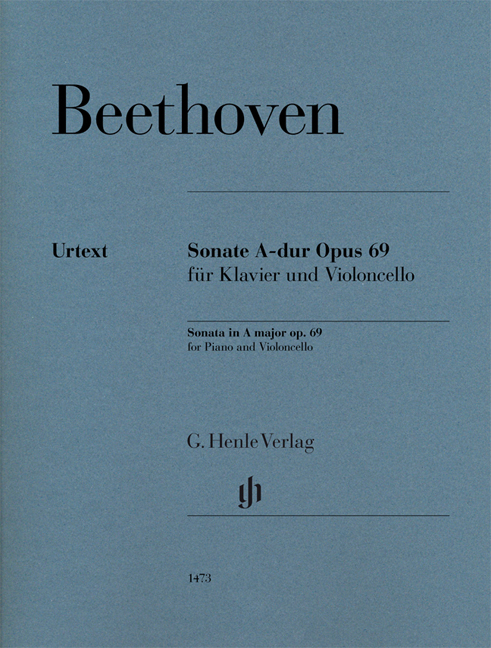
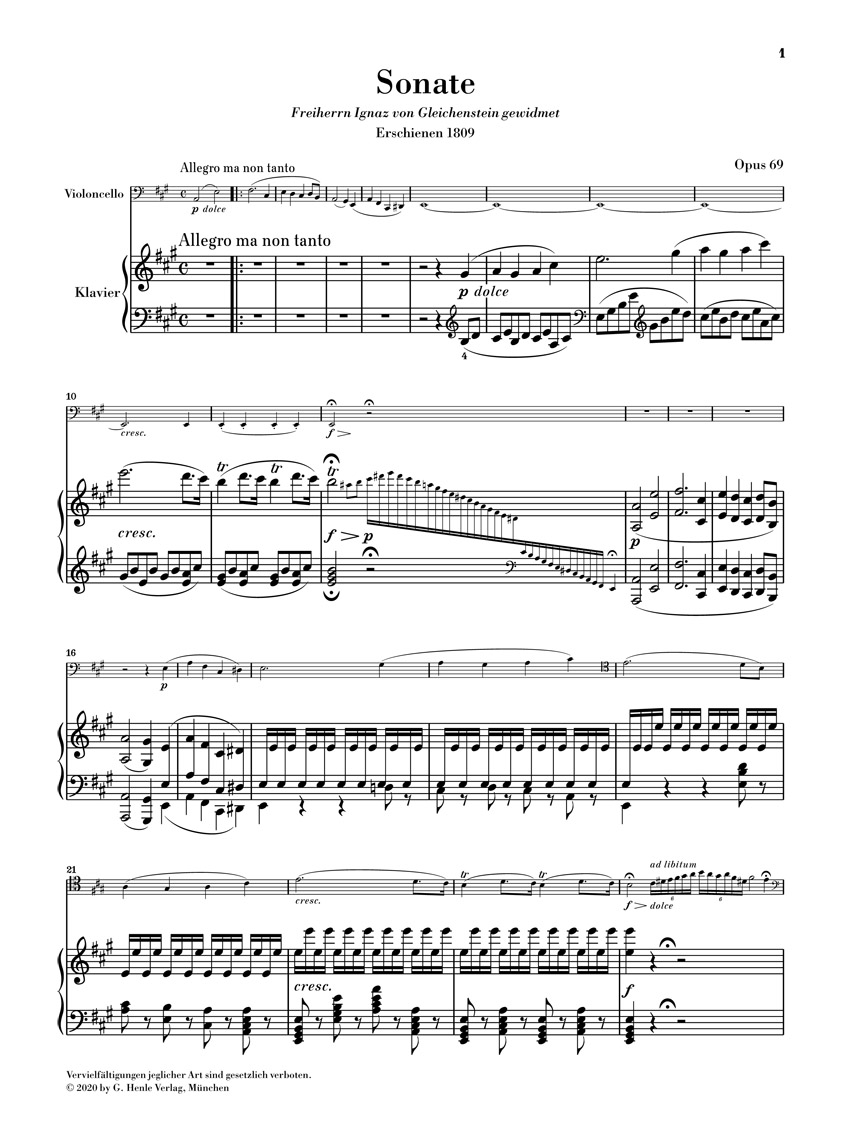
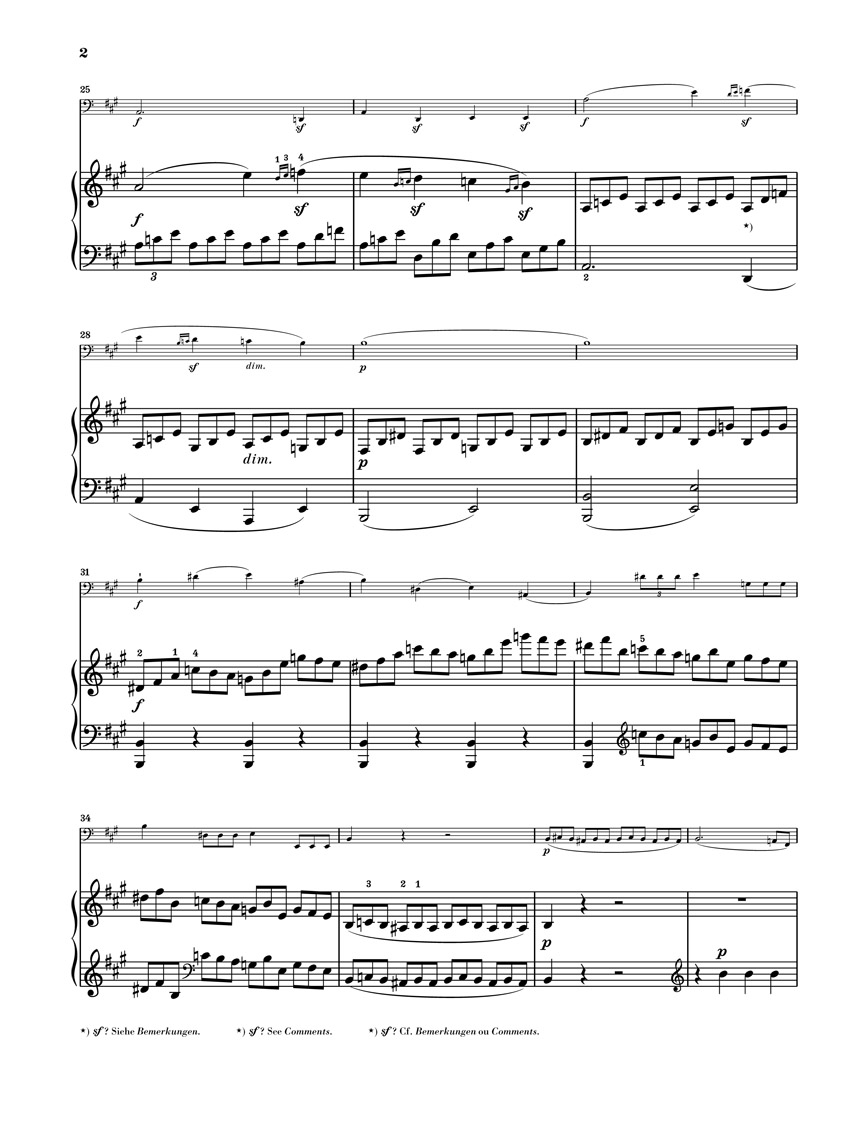
Beethoven Cello Sonata No.3 in A major Op.69 for Cello and Piano
베토벤 첼로 소나타 3번 A장조 Op.69 첼로와 피아노
악기 구성
Cello and Piano 첼로와 피아노
Jens Dufner (Editor) 옌스 두프너
Ian Fountain (Fingering Piano) 이언 파운틴
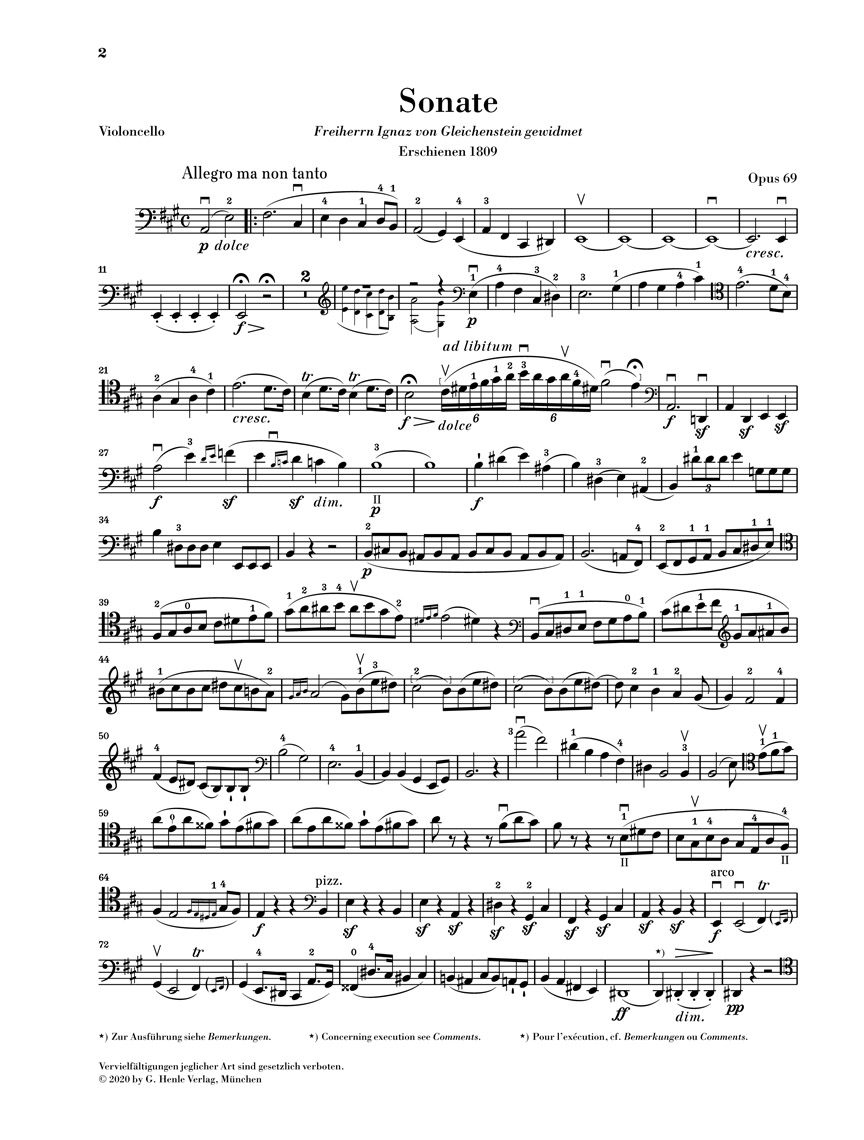
David Geringas (Fingering and bowing for Violoncello) 다비트 게링가스
Urtext Edition, paperbound
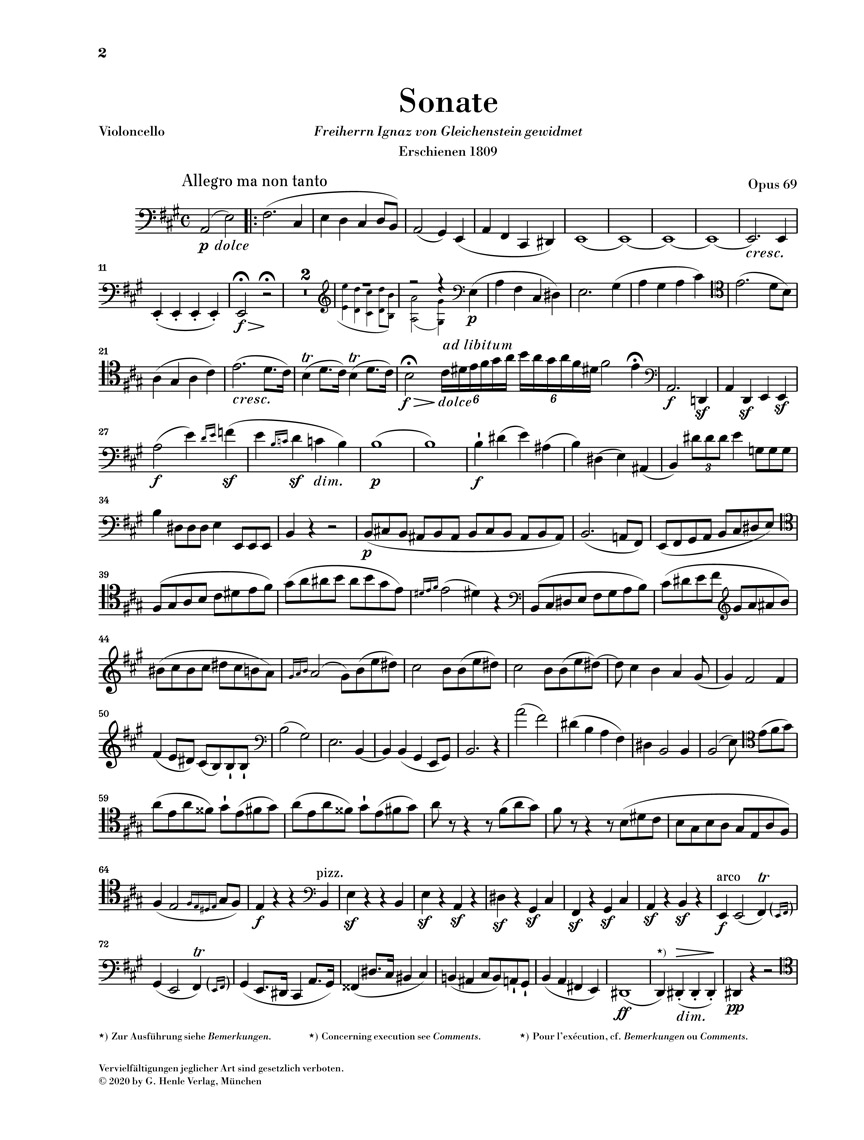
with marked and unmarked string part
Pages 73 (VI+45+11+11)
Content
Violoncello Sonata A major Op.69 첼로 소나타 A장조
7 difficult
Of Beethoven’s five cello sonatas, the Grande Sonate op. 69, published in 1809, is not only the centrepiece, but also musically the most significant. The artful coupling of the two instruments is on display from the outset in an almost programmatic manner, when the cello with its tenor timbre first intones a melody that the piano then continues. In this sonata, too, Beethoven dispenses with a slow movement while nevertheless compensating us with an enchanting Adagio cantabile introduction to the finale. The Urtext edition by Jens Dufner is based on his research for the Critical Report of the Beethoven Complete Edition and thus features a musical text at the highest scholarly level. In the preface and Critical Report, he outlines the genesis and source situation of the sonata. Ian Fountain and David Geringas provide the fingerings.
베토벤의 첼로 소나타 다섯 곡 가운데 1809년에 출판된 「대소나타(Grande Sonate)」 Op.69는 중심에 놓인 작품일 뿐 아니라 음악적으로도 가장 중요한 작품입니다. 두 악기의 정교한 결합은 첫머리부터 거의 강령처럼 드러나는데, 테너 음색의 첼로가 먼저 선율을 시작하면 피아노가 이를 이어받습니다. 이 소나타에서도 베토벤은 느린 악장을 생략하지만, 대신 피날레 앞에 매혹적인 Adagio cantabile 서주를 두어 이를 보상해 줍니다. 옌스 두프너의 원전판은 베토벤 전집 비평 보고서를 위한 그의 연구를 바탕으로 하여 최고 학술 수준의 악보를 담고 있습니다. 그는 서문과 비평 보고서에서 이 소나타의 성립 과정과 자료 상황을 개관합니다. 이언 파운틴과 다비트 게링가스가 운지법을 붙였습니다.
작곡가 Beethoven, Ludwig Van (1770-1827)
에디터 Dufner, Jens